
There is so much to read, and I never take for granted that you click on Forza when it arrives in your in-box. I always want to make sure I’m giving you something you can’t get anywhere else. And if that’s ever not the case, the comment section is open.
So I begin this week later than usual, with a broken hand, dictating through my friend ChatGPT and hoping I catch every extra flourish it tries to sneak in despite my very clear instructions to give me only what I said, period.

Which is exactly where I want to start — with AI and technology, and the growing concern that we are not coaching or leading students to understand how to use it well.
There are serious people thinking about this. Andy Rotherham at Bellwether is doing important work. My friend Todd Zipper at Axio continues to surface thoughtful conversations in this space. And next month I’ll be in Rome — and who isn’t interested in going to Rome? — for an AI conference hosted by education entrepreneurs who are wrestling with the right questions: How do we use AI for delivery without diluting content? How do we ensure that technology enhances, rather than replaces, the grounded human experience that must remain central to education?
I wrote last week about Alpha Schools. Interestingly, an Alpha student was represented in the First Lady’s box during the State of the Union. Alpha is compelling because it blends self-paced learning with strong teacher and parent engagement. That is how AI should flow — in support of relationships, not in replacement of them.
But even in the strongest models, caution is necessary. Students cannot be left to their own devices — literally — without the interaction that someday allows them to say, “That teacher changed my life.” AI cannot become the substitute for mentorship, challenge, or human connection.
In some ways, AI feels like the next generation of spellcheck. In other ways, it risks becoming the next sweeping fad that reshapes textbook publishing and instructional practice before we’ve fully understood the consequences.
As I dictate this into my chat window, I’m reminded of both its strengths and its limits.
Used well, it can be:
A stable assistant — when matched, cautioned, managed, and monitored.
A faster way to surface information than I might find sitting alone at a desk.
A tool that offers multiple viewpoints or data sources for me to examine and parse through.
When I think about how AI works best, I often think back to doing research in physical libraries. You’d identify the information you were looking for, go to the card catalog, search by subject, and ask the librarian to retrieve the books. Inevitably, she would bring additional volumes she thought might be helpful. You would compare sources, note different interpretations, discover differing opinions, and then write your paper.
When AI functions like that card catalog — surfacing information, offering sources, pointing to perspectives — it can be incredibly useful.
But the more I read the papers, as the old song goes, the less I comprehend how we are training students not to simply type a prompt into ChatGPT and ask it to write the paper for them. (Uncommon’s Northstar Academy in Newark has developed a thoughtful AI literacy course to do just this.)
I’ve caught it several times giving me information I did not say, do not agree with, or that simply was not true. At one point, when I asked it to incorporate the Education Secretary into something I was drafting, it confidently informed me that Linda McMahon was not the Education Secretary. That is a small but telling example.
These are not reasons to reject AI. They are reasons to teach discernment.
And it is something we should be talking about — perhaps even at ASU+GSV this April 12–14.
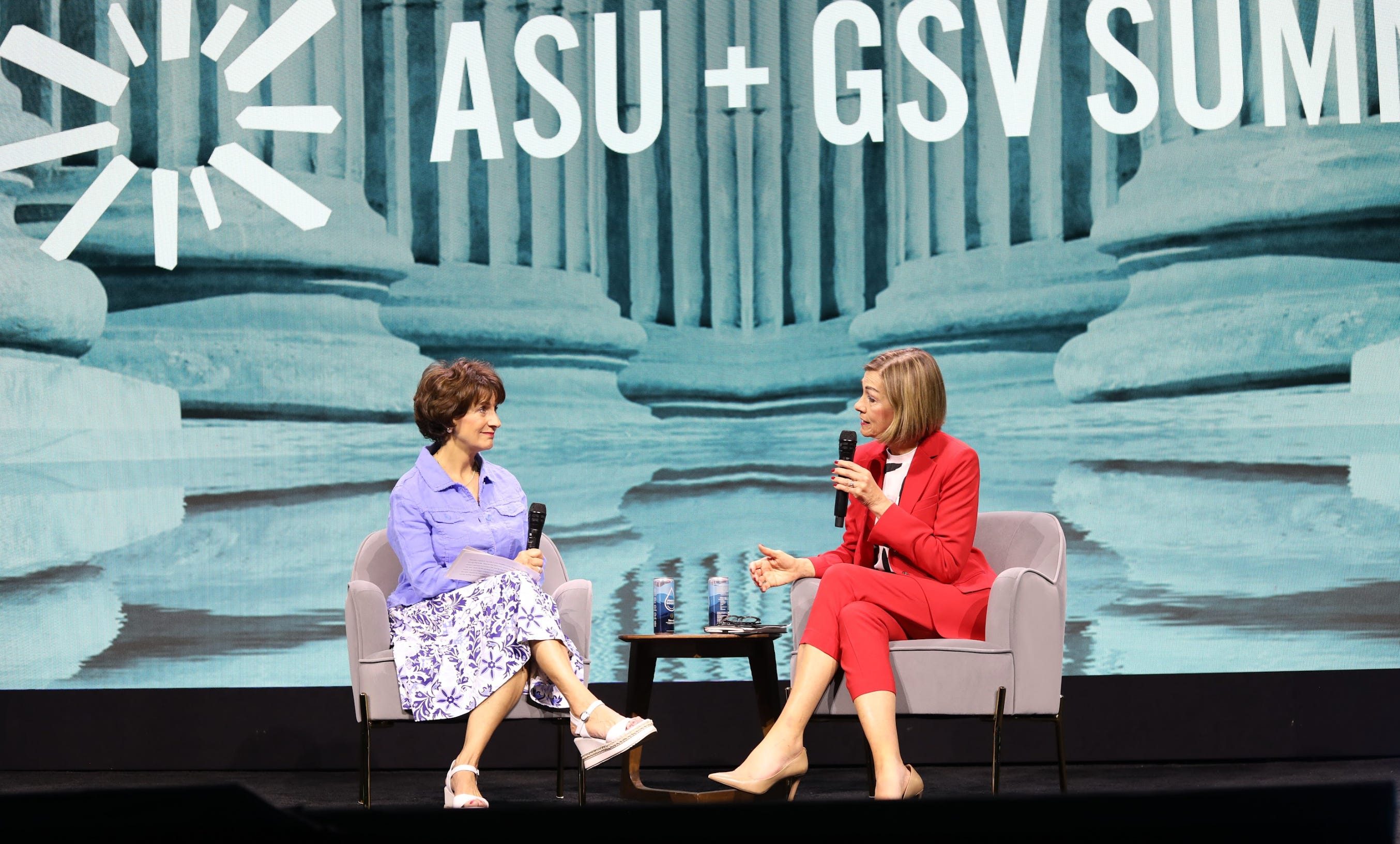
ASU+GSV: Innovation in Force
We will be at ASU+GSV, as we are every year, representing the innovators in the Yass Prize network and working alongside CER’s expansive community of leaders.
I’ll be on stage discussing educational pluralism — the reality that strong systems are built not through uniformity but through diverse models aligned around shared goals. I’m looking forward to conversations with colleagues across organizations and to seeing so many extraordinary education leaders spotlighted.
We’ll also be conducting live interviews from our booth, highlighting builders who are expanding opportunity in real time.
Stay tuned. I’ll make sure Forza readers know where and when to tune in.
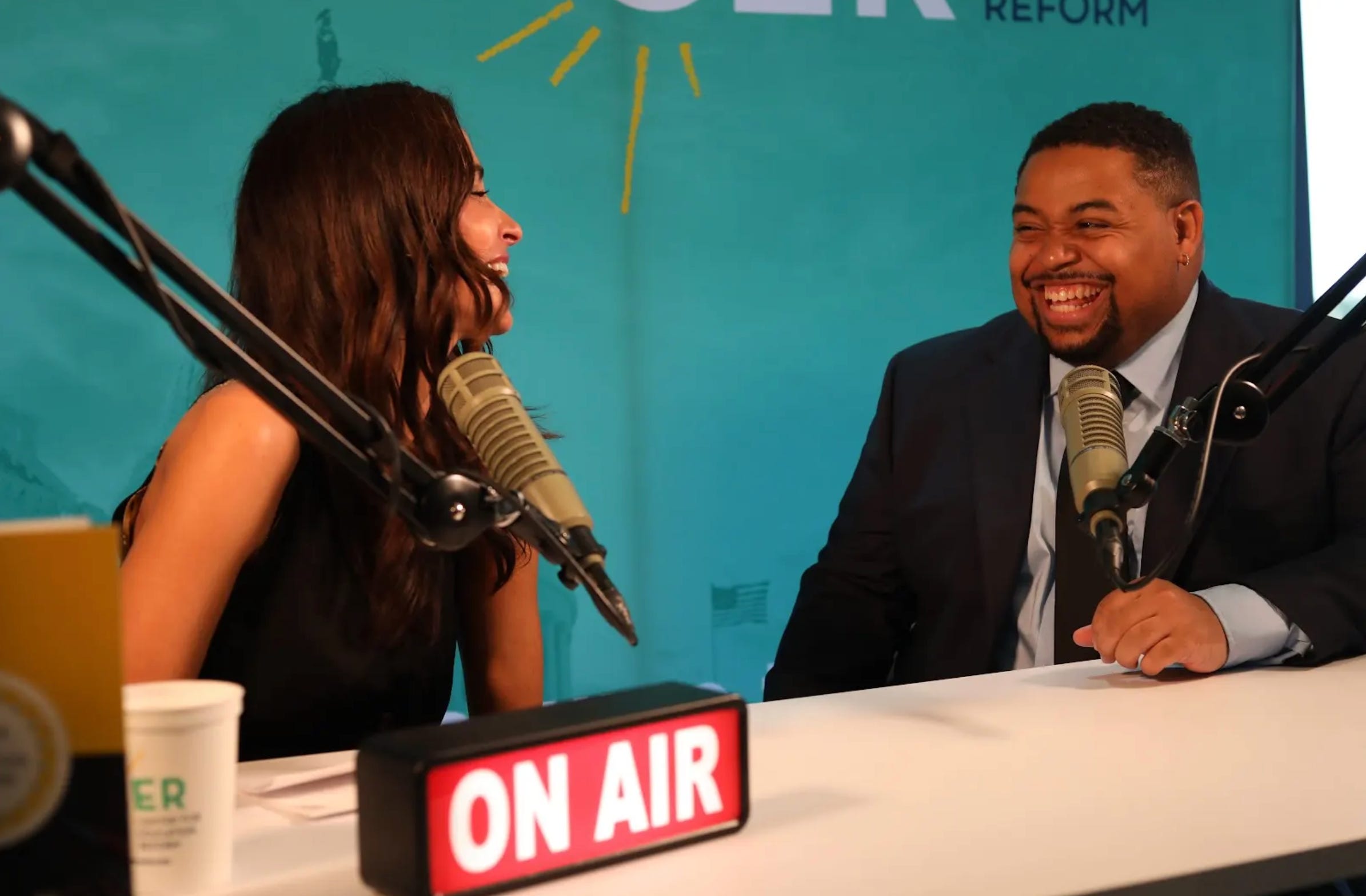
If You’re Not Following Ed Reform in 10, You Should
If you have not subscribed to or are following Ed Reform in 10, now is the time.
True to its name, it’s a concise — roughly ten-minute — conversation series featuring some of the most interesting innovators, researchers, business leaders, and K–20 practitioners in the country. The interviews are conducted by a range of voices, including members of the Yass Prize community, alumni, our team, and occasionally yours truly.
Recent conversations include:
Pat Brantley of Friendship Public Charter Schools in a terrific exchange with Amy Riker of Panorama Education.
Sam Cauci of 1Huddle speaking with Caroline Allen about wasted talent and his plan to address it.
A thoughtful discussion between Cris Gulacy-Worrel and Paul Quinn College President Dr. Michael Sorrell on democratizing work and opportunity in higher education.
My most recent conversation with Mike Hoque, an entrepreneur who began as a cab driver and now owns his own fleet of cars in Dallas — a modern American Dream story about persistence, risk, and scaling opportunity.
And so much more.
When you’re serious about making great things happen for kids, it pays to stay informed. I always make sure we’re curating the best of the best — so you don’t have to.
Ed Reform in 10 is a partnership with Dash Media, founded by GSV and Michael Moe, and it brings together thoughtful, fast-paced conversations with the people actually building the future of education and opportunity.
Follow along here:
https://www.dashmedia.co/t/edreform-in-10
And share the episodes that resonate with you.
Entrepreneurs in the Room
For more than 33 years, CER’s greatest affinity has been for the people on the ground doing the work.
When I founded the organization, I wanted education to be a mainstream issue — something discussed at dinner tables alongside what was happening in town, who had just moved in, what challenges families were facing. But when I arrived in Washington, I found those conversations replaced by top-down bureaucratic thinking.
So we began bringing entrepreneurs into the room.
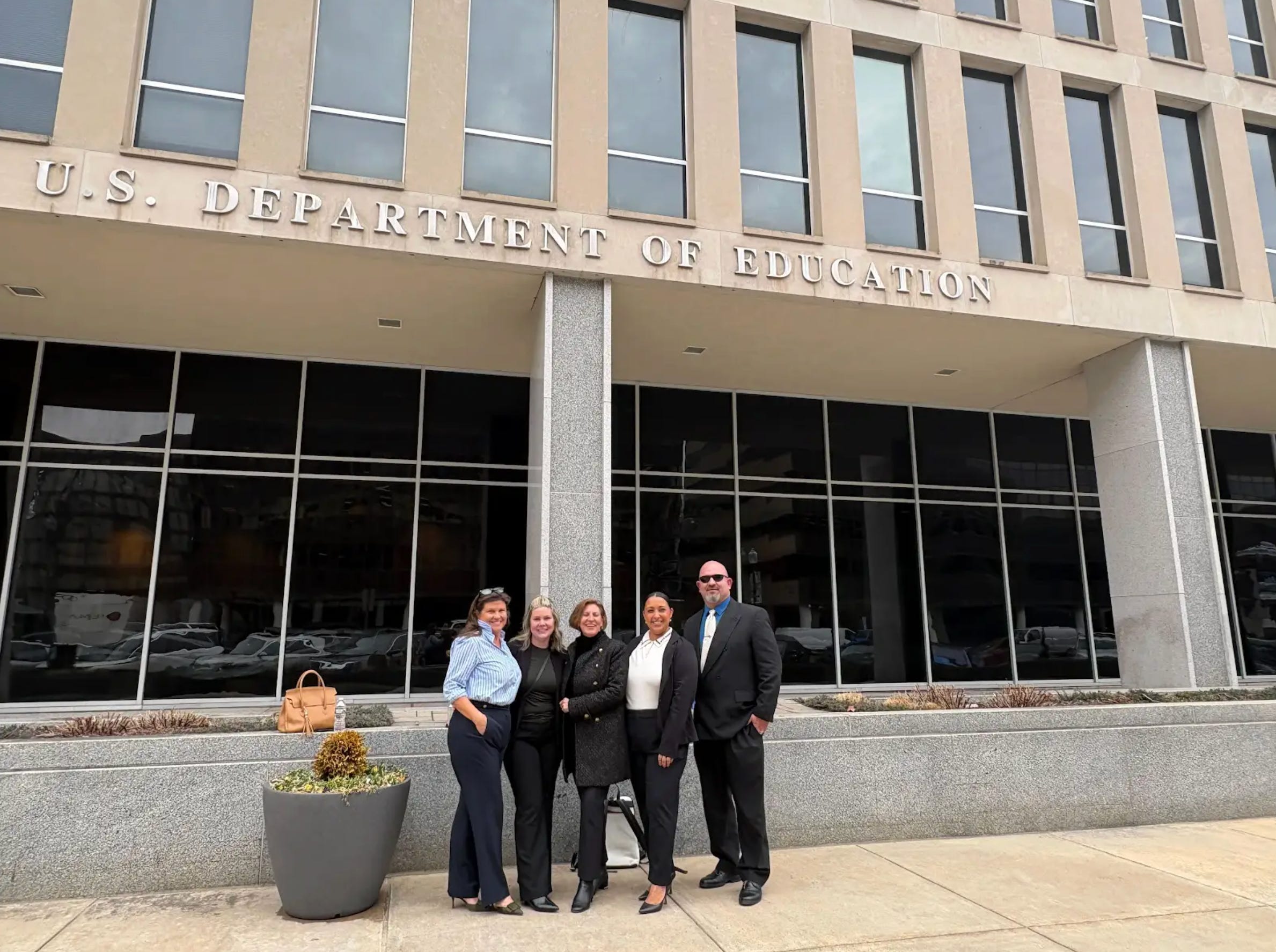
Last week, five finalists for the 2025 Yass Prize, including the $1 million winner, Chesterton Schools Network, met with leaders in the executive and legislative branches, as well as members of the media.
They described what actually happens on the ground — military families required to secure new IEPs each time they move despite interstate compacts, residents who lose access to program benefits when relocating, and the disconnect between how school choice programs are debated and how they function in reality for students.
These were not theoretical discussions. They were implementation conversations. And in meeting after meeting, you could see leaders absorbing nuance they simply do not have time to gather on their own.
That is why entrepreneurs must be in the room.
The Army of Normal Folks — Stepping Up for Each Other
Which is why the Army of Normal Folks initiative matters.
Supported by Stand Together, it is built on the same premise: change begins with individuals who step forward. By organizing local service clubs, giving circles, and structured pathways for engagement, it reduces the friction that prevents people from contributing.
While it does not focus exclusively on education, it reinforces something we have long believed — real progress happens when everyday leaders are connected, elevated, and supported.
Entrepreneurs build institutions. Communities sustain them.
The two are complementary.
A Brief Aside on Governors and Imagination
It was encouraging to hear Yo-Yo Ma at the recent gathering of the National Governors Association describe music as “rocket fuel for the imagination.”
That phrase lingers.
Innovation depends on imagination. And imagination must be cultivated intentionally — in classrooms, in communities, and in the civic life of a state.
Governors who understand that alignment between culture, education, and economic growth will shape the next chapter well.
A Final Word
Before the State of the Union, we outlined three education priorities we believed warranted attention: freedom, flexibility, and civic responsibility. The full press release lays them out in detail.
They remain essential — not as commentary on a single speech, but as conditions for the work we are seeing across the country.
If families do not have meaningful access to diverse models, innovation narrows.
If leaders do not have flexibility to use resources responsibly, growth slows.
If civic grounding is neglected, the foundation of self-government weakens.
The entrepreneurs we met with last week are building in real time. The question is whether policy will keep pace.
Wins are temporary. Policymakers change. Momentum must be reinforced deliberately and repeatedly.
I hope this issue helps you think through your next steps with that in mind.