
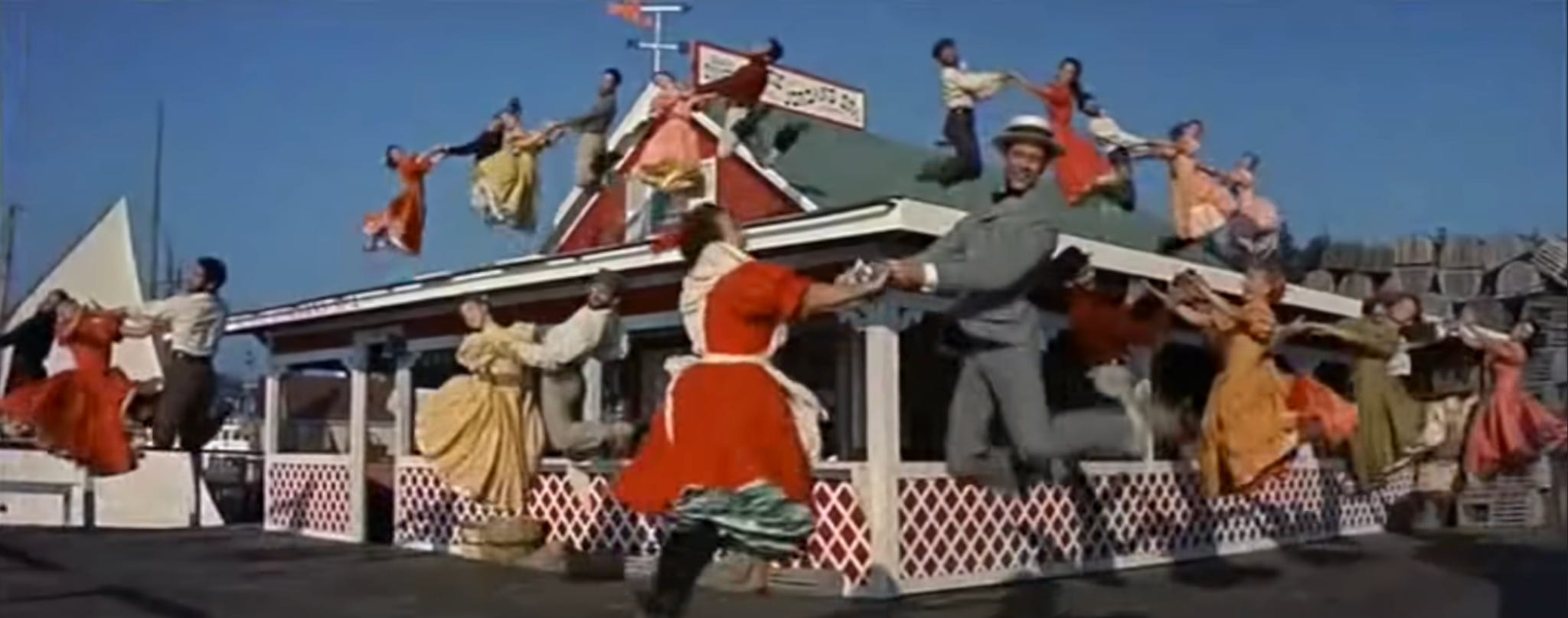
The old Rodgers and Hammerstein tune is about spring turning into summer, but this June, another kind of season is underway. Election season.
Primary voters are at the polls today in six states, and if you listen to the coverage, you’d think the defining issues are crime, housing, immigration, taxes, inflation, or public safety.
But almost no one is talking about education.
That’s a mistake.
Because nearly every challenge facing America’s cities, states, and communities has something to do with education—good education, bad education, or the absence of meaningful educational opportunity altogether.
Take Los Angeles. The city has been losing population and families for years. Businesses have left. Enrollment in public schools has fallen dramatically. Parents with means increasingly seek alternatives, while too many families without means remain trapped. Yet education rarely appears at the center of the political conversation, despite being one of the most important indicators of a city’s future.
The LaLa Land mayoral race between Karen Bass, Nithya Raman, and Spencer Pratt is ostensibly about housing, crime, homelessness, and the economy. But education sits underneath all of those issues. Pratt has argued for putting more power in the hands of people rather than government. His opponents represent a very different vision. Whether families have meaningful educational options is directly tied to whether they choose to remain in a city, invest in a community, and build a future there.
Washington, D.C., offers an equally revealing lesson. Once held up as a model for how educational opportunity, charter schools, and public school reform can help fuel urban revival, this month’s mayoral primary puts the two leading candidates on vastly different sides of the American opportunity agenda. Pro-parental-choice Councilmember Kenyan McDuffie is running just behind democratic socialist Janeese Lewis George, who has consistently aligned herself with government-centered solutions that stand in direct opposition to reforms that expand educational opportunity, including the city’s thriving charter school sector. That should tell the public something about socialism right there. Even in a city whose economic resurgence coincided with the growth of charter schools and public school restructuring that brought families back to the city in droves, there is momentum behind a candidate who would prefer the failed status quo and education monopoly over empowering families.
New York is already at that crossroads. Democratic voters elected Zohran Mamdani, a democratic socialist and outspoken opponent of charter school expansion. That should concern anyone who cares about educational opportunity. More than 150,000 students attend New York City charter schools today, and more than 160,000 remain on waiting lists hoping for the same opportunity. Nevermind the sheer volume of regulation and taxes that Mamdani wants. Advocates know that the lifesaving changes in education that the charter schools have brought to students - at a fraction of the cost - could be headed in a very different direction.
The debate in these cities is often framed around housing, policing, taxes, immigration, or economic growth. But underneath all of those issues, it is education that fuels healthy and economically vibrant communities.
Education is never simply its own independent issue. It is inseparable from our workforce, housing, public safety, economic growth, civic health, and ultimately the preservation of freedom itself.
The political battles matter because they ultimately determine whether families have access to educational opportunities at all. But they also raise a deeper question that too few policymakers ask: What kind of education are we trying to create in the first place?
That question extends far beyond test scores, governance structures, and election results. It goes to the heart of human flourishing, creativity, purpose, and what it means to prepare young people for a rapidly changing world. And it is a question that is increasingly attracting attention from unexpected places.
That reality was on my mind last week as I reflected on several developments that remind us how much work remains—and how much progress is still possible.
A Lesson From the Royals?
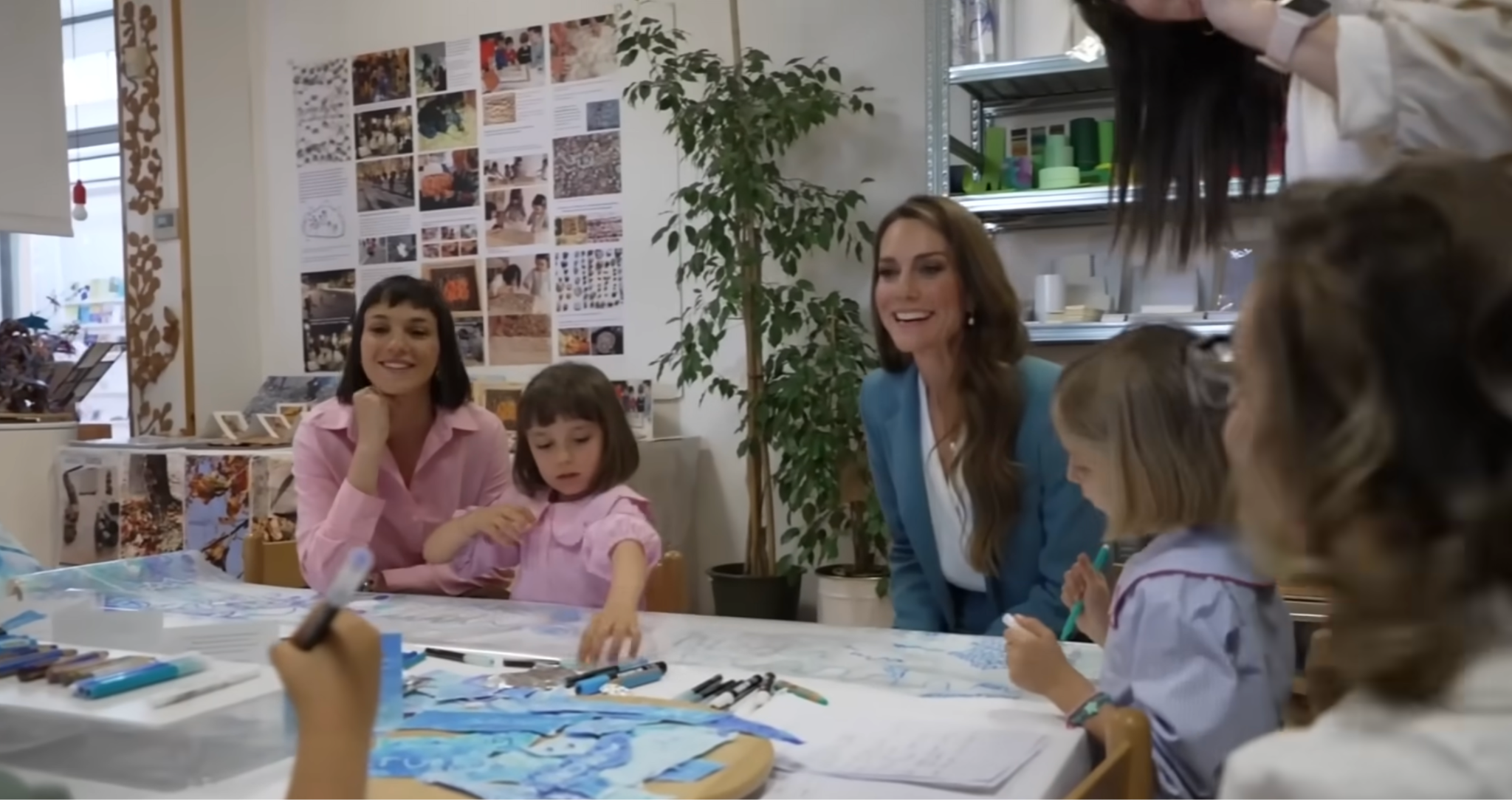
One of the most encouraging stories came from an unexpected place: the British Royal Family. My recent Forbes column explored Princess Kate’s visit to Reggio Emilia, the northern Italian city known for its influential approach to early childhood education. At a moment when much of the education conversation is dominated by artificial intelligence, personalization algorithms, and accelerating content delivery, the future Queen of England chose to spend her time examining a model built around human interaction, creativity, curiosity, and community.
Whether one embraces the Reggio Emilia approach or not, the symbolism is difficult to ignore. Across the United States and around the world, parents are increasingly asking similar questions: What kind of education prepares children not simply to perform, but to flourish? How do schools cultivate curiosity, resilience, judgment, purpose, and the ability to live and work well with others? Those questions are driving growing interest in everything from classical education and Montessori programs to charter schools, microschools, and other models that place human development at the center of learning.
The same principle is playing out much closer to home.
North Carolina’s Quiet Revolution
North Carolina has quietly become one of the most consequential education reform states in America. While national attention often focuses on other “hot” states, state leaders in the Tarheel state have continued expanding opportunities for families for almost two decades now, first through charter schools, then a true, money-follows-the-child voucher program, and additionally through prioritizing policies that recognize parents as the primary decision-makers in their children’s education. This year, NC’s Opportunity Scholarship school choice program became open to all, truly universal in other words. Today, 103,400 students are going to school with Opportunity Scholarships. And that number is projected to grow exponentially this year.
The results speak for themselves. Families flocking to the state, improved outcomes, better economy. It’s the reason NC ranks in the top 10 states of all time on the Parent Power! Index.
And just last week, lawmakers overrode the governor’s veto of the Educational Choice for Children Act, further cementing North Carolina’s position as a state willing to expand educational opportunity rather than protect the status quo.
Finally, North Carolina boasts the twelfth strongest charter law in the nation. It’s one of the earliest laws enacted, and a deep bench of supporters works hard to defend and expand the charter footprint year after year, including securing a huge portion of local funding to follow the students, which is rare in the charter ocean.
It’s a state worth cheering and its results deserve more attention than typically received.
What’s In A Score?
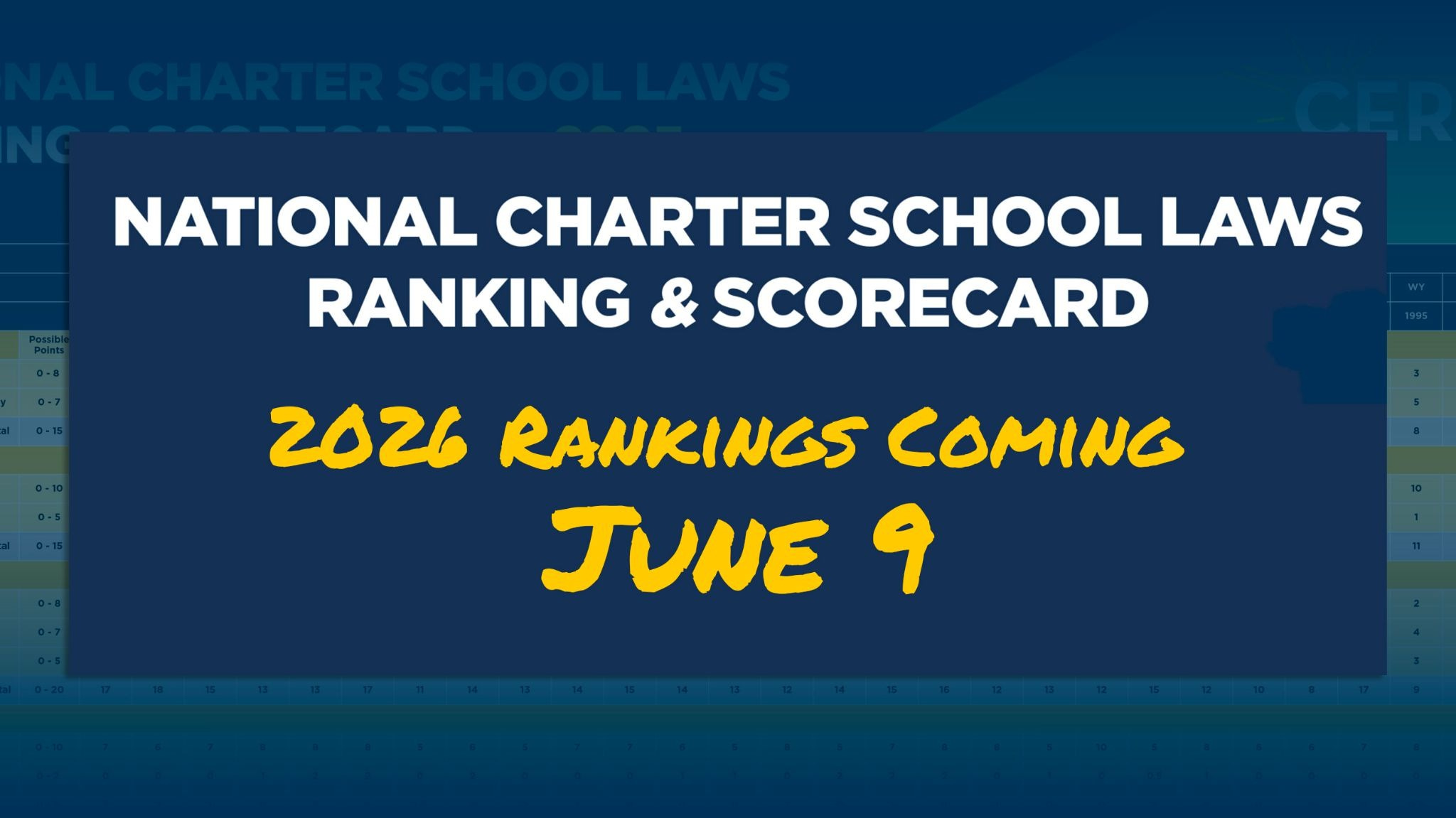
Next week, the Center for Education Reform will release its annual National Charter School Law Rankings, one of the longest-running measures of state charter school policy in the nation.
The rankings continue to tell an important story.
Too often charter schools are discussed as though they are simply another program within public education. They are not.
They are among the most significant public education reforms of the last half-century.
Charter schools introduced freedom, autonomy, accountability, and innovation into systems that had become increasingly rigid and resistant to change. They created opportunities for educators to build schools around missions, cultures, and approaches that traditional systems often could not accommodate. Most importantly, they gave families options.
Yet many policymakers continue to treat charter schools as an afterthought.
Some states actively restrict their growth.
Others underfund them.
Still others celebrate “school choice” while neglecting the very charter sectors that provide options for millions of students.
The reality is straightforward: weak charter laws produce fewer opportunities. Strong charter laws produce more.
Private school choice programs are expanding rapidly and deservedly so. They provide opportunities many families desperately need. But charter schools remain an essential pillar of public education reform. They are not sufficient on their own, but they remain necessary.
Every governor in America should understand that, along with every legislature, and every candidate talking about opportunity in the political cycle.
The Opportunity Agenda, Revisited
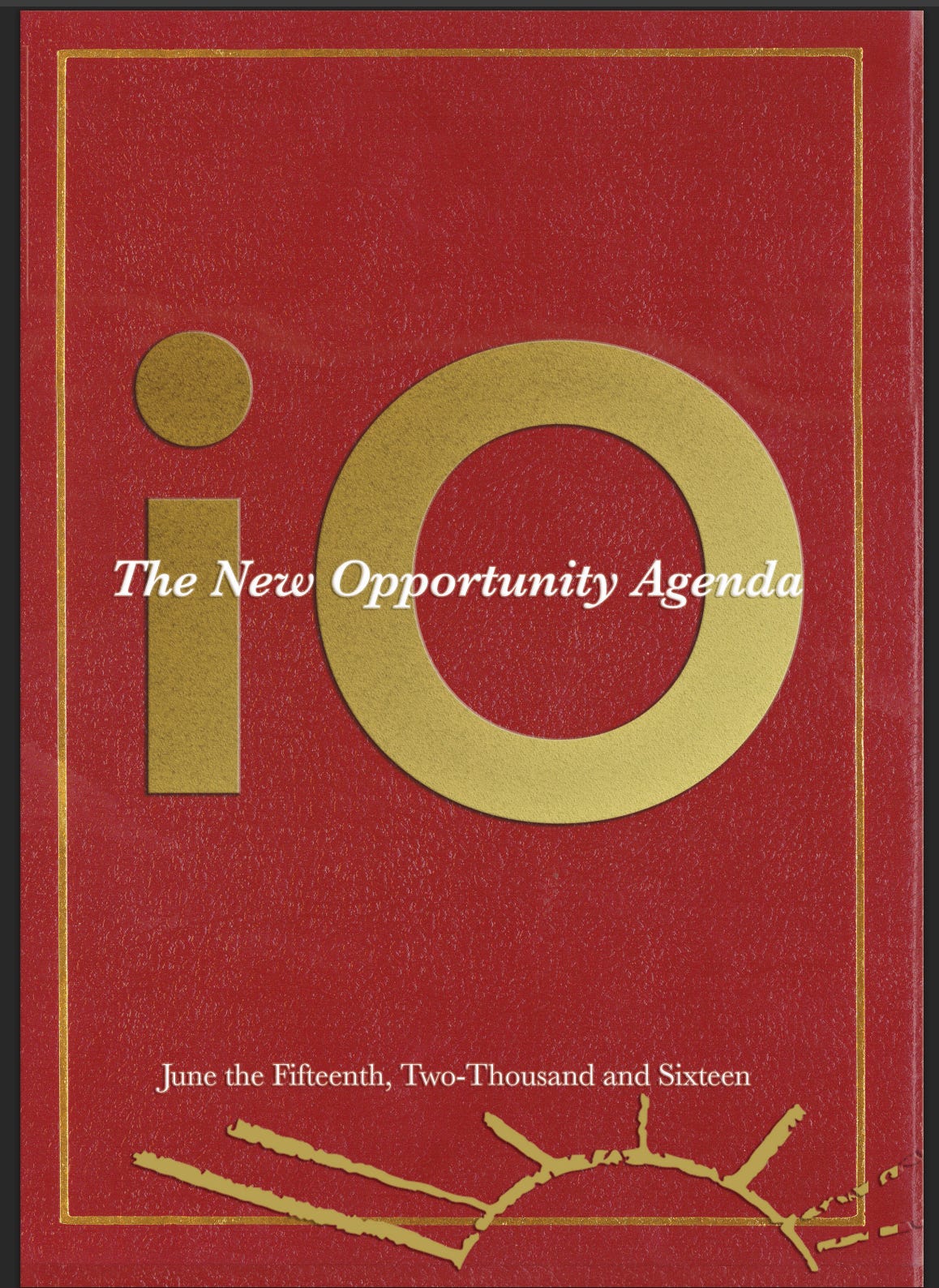
Ten years ago, when we developed what became known as the New Opportunity Agenda, A Manifesto, we argued that the movement could not survive by defending the status quo. It required renewed commitment to innovation, freedom, entrepreneurship, and educational pluralism. Without those principles, reform would stagnate.
That observation remains as true today as it was then.
An opportunity agenda that ignores educational freedom is not an opportunity agenda at all, just as any growth agenda that ignores education will eventually fail, and any agenda for civic renewal that fails to faithfully account for how children learn, think, read and understand their country will struggle to succeed.
Education is not a side issue. It is the foundation beneath every other issue.
Which brings us back to today’s and forthcoming elections: The candidates may not be talking much about education. The media may not be asking about it. But voters should. Because whether communities flourish or decline often depends on a question far simpler than the headlines suggest:
Are we creating more opportunities for families—or fewer?
The answer to that question will determine much more than who wins today’s races; It will determine who thrives tomorrow (and going forward…)
Happy Summer - Jeanne
Amen!